Bansomdejchaopraya Rajabhat University (BSRU) advances SDG 4 by extending education beyond its campus through diverse community and school outreach programs. These initiatives include empowering older adults, strengthening cultural identity through music, providing hands-on training in health, technology, herbal science, and English teaching, and offering immersive cultural experiences such as the Spring Festival. By sharing knowledge and skills with people of all ages, BSRU fosters lifelong learning, practical development, and greater cultural understanding.
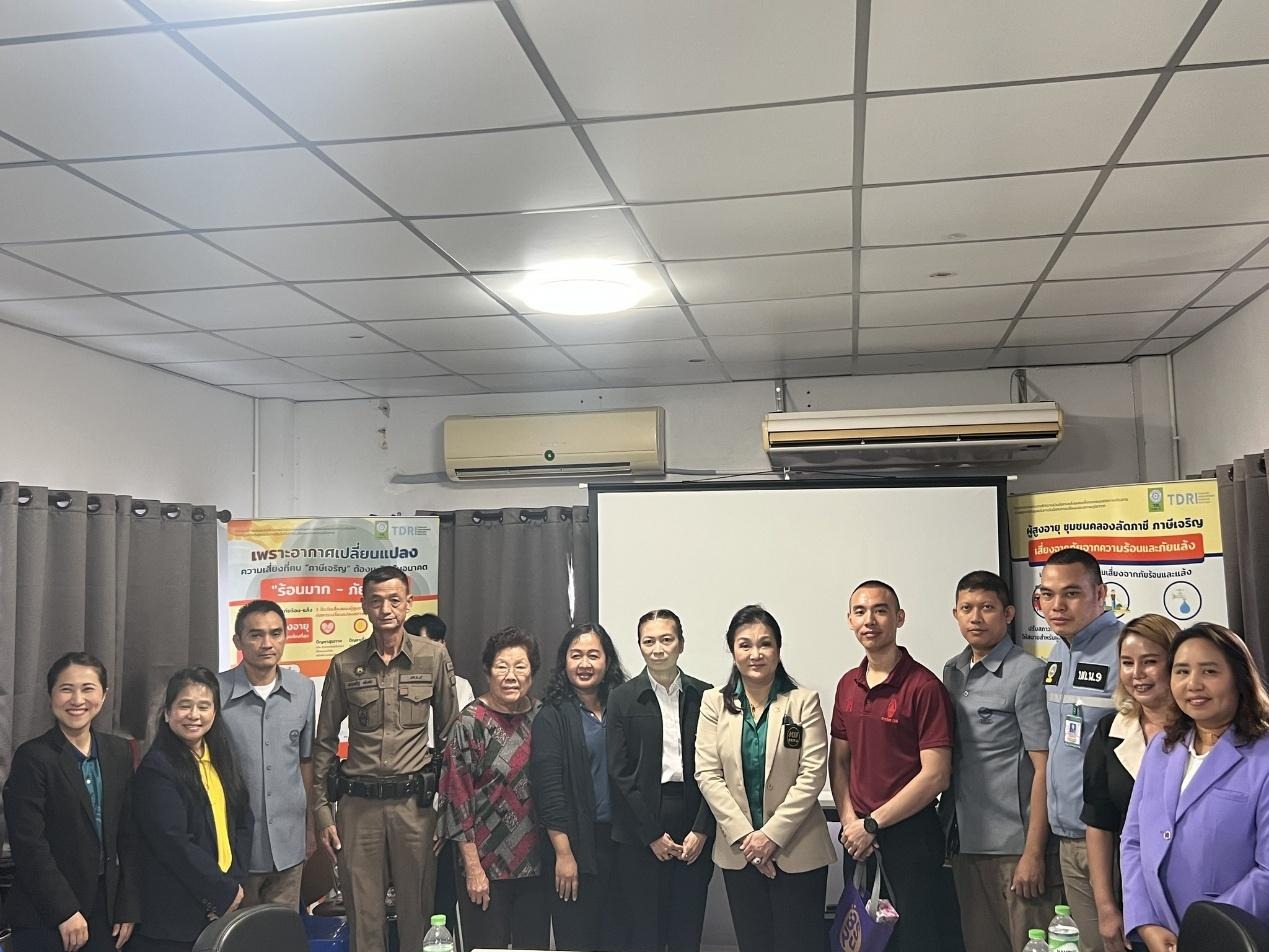
Bansomdejchaopraya Rajabhat University (BSRU), through the Public Administration program of the Faculty of Humanities and Social Sciences, conducted an educational outreach activity aimed at enhancing the quality of life and strengthening community-based economic development for older adults in Phasi Charoen District. On 4 October 2024, the project team delivered a data-driven policy innovation system and the “Tag Info” innovation for senior citizens at the Khlong Lat Phachi community. The activity involved students, faculty, and community stakeholders, including district offices, local police stations, health centers, and community leaders, providing hands-on demonstrations and knowledge transfer on managing senior citizen data and designing policies based on community needs. This initiative exemplifies BSRU’s commitment to extending tailored educational programs beyond campus, fostering practical learning experiences for students while directly benefiting local communities.
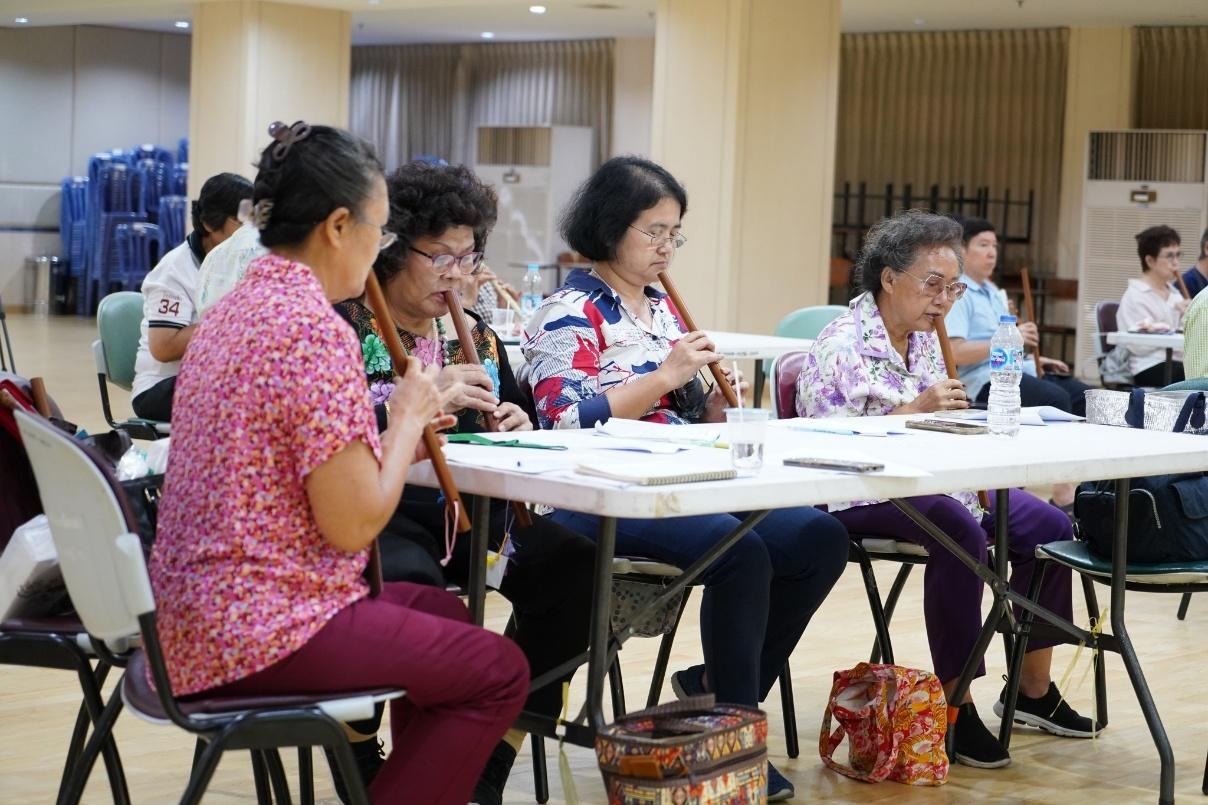
Bansomdejchaopraya Rajabhat University’s College of Music organized the sixth edition of the “Community Soft Power Enhancement Project,” integrating music education to strengthen local cultural identity. On 25 May 2024, the program offered a hands-on workshop for older adults focused on learning to play the Piang-Or flute, led by Assistant Professor Dr. Surapong Bankraitong from the Thai Music Department. This activity provided participants with practical music skills while promoting social engagement and cultural preservation. By bringing structured, skill-based learning directly into the community, the project serves as an example of BSRU’s educational outreach beyond campus, combining student and faculty expertise with local cultural initiatives.
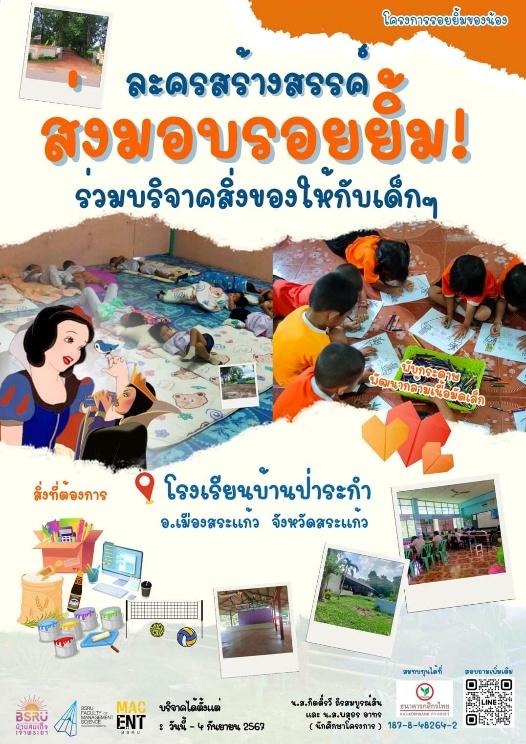
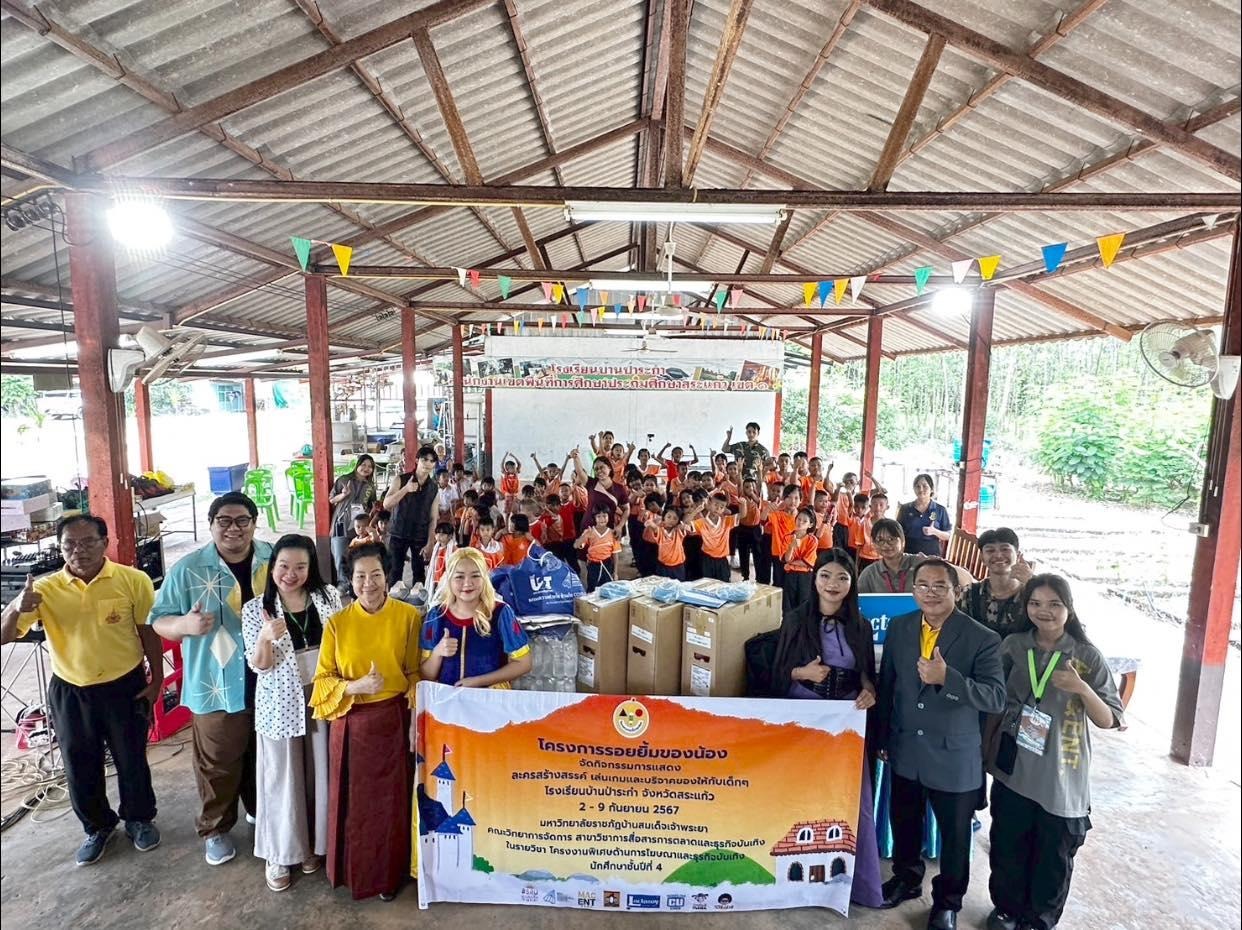
Another noteworthy outreach program is the “Smiles for Children” initiative, led by fourth-year students in BSRU’s MACENT program, who bring creative learning experiences to children at Ban Pa Kram School. The activities include interactive storytelling and a reimagined performance of “Snow White” with an empowering twist, encouraging students to think critically about personal choices. By sharing stories and experiences, the program instills a love for learning and a sense of cultural pride in younger students while providing BSRU students with valuable experience in community-based education. This connection between BSRU and local schools supports the goal of cultivating a sense of responsibility in young learners toward their own communities and the environment.
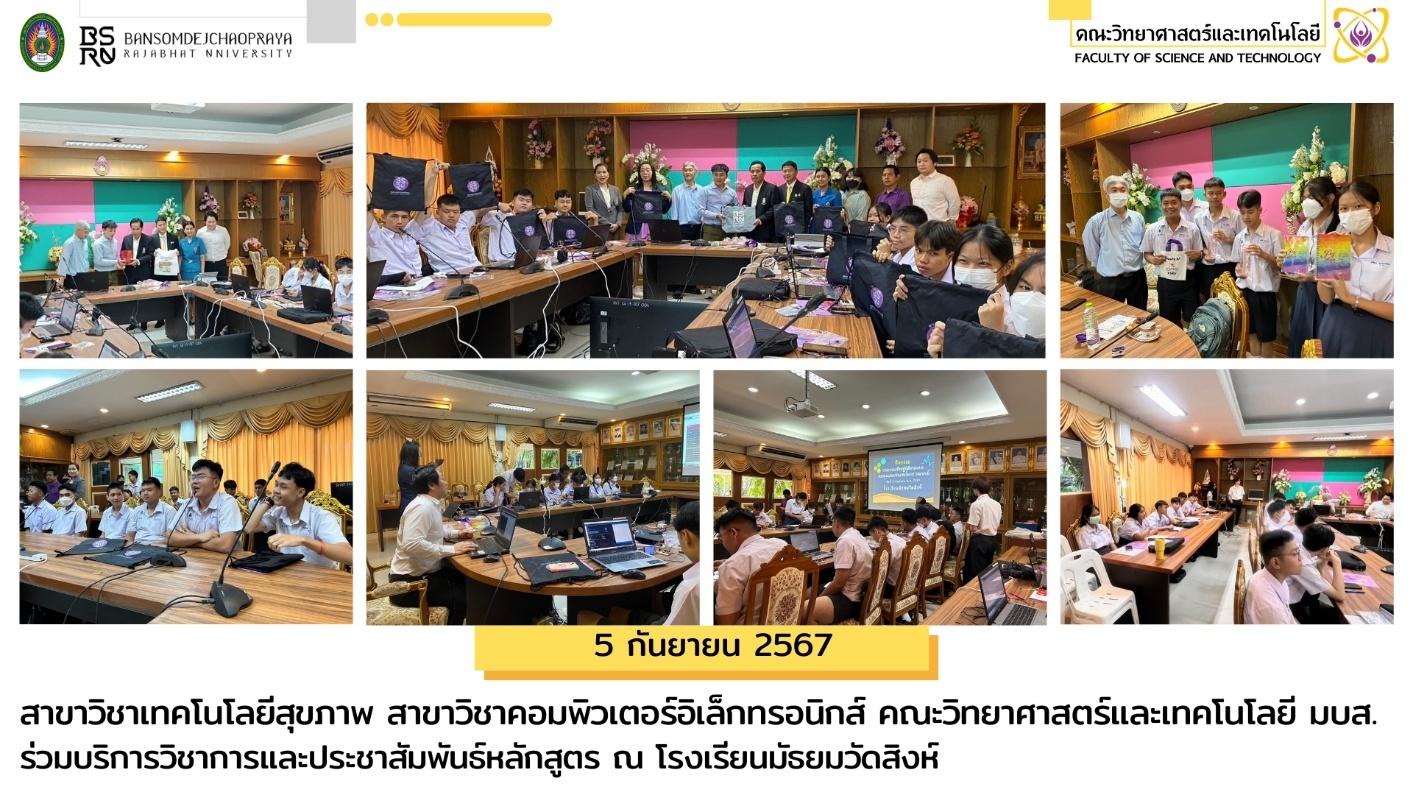
On 5 September 2024, students and faculty from the Health Technology and Computer Electronics programs of Bansomdejchaopraya Rajabhat University collaborated to provide academic services at Wat Singh Secondary School. The outreach activity focused on developing health-related innovations and promoting relevant university programs, linking classroom learning with practical applications for the local community. Supported by the Faculty of Science and Technology, the project enabled hands-on demonstrations and knowledge sharing, offering students experiential learning opportunities while directly benefiting local youth. This initiative exemplifies BSRU’s commitment to extending educational outreach beyond campus through tailored, community-based programs.
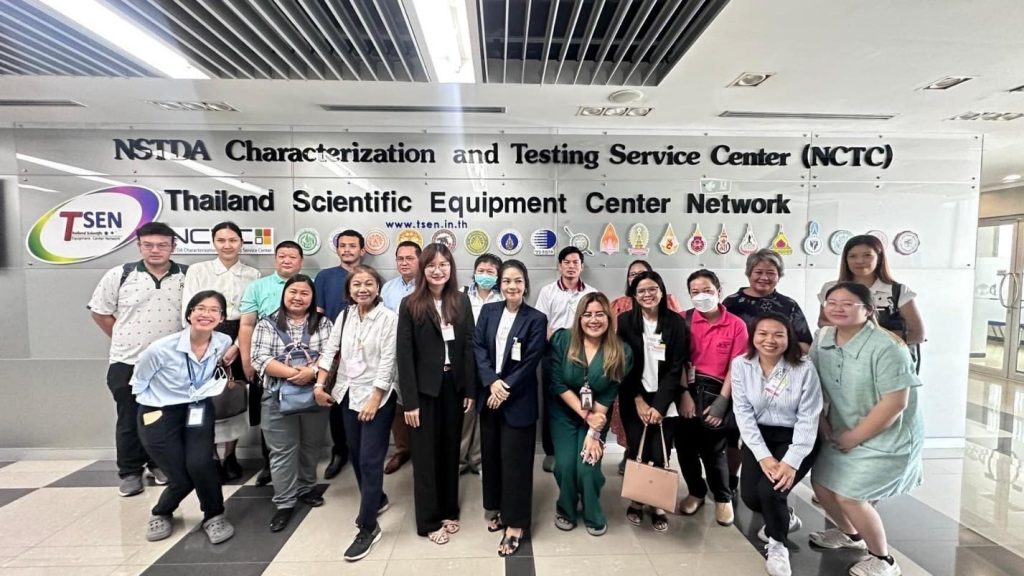
On 24 April 2024, the Department of Herbal and Cannabis Science at Bansomdejchaopraya Rajabhat University organized the first herbal knowledge training program for teachers. The workshop provided participants with hands-on experience in advanced herbal analysis techniques at the Testing and Analysis Service Center of the National Science and Technology Development Agency. Led by Dr. Nattha Wiriya-kul, the program engaged teachers in practical demonstrations and knowledge-sharing sessions, supported by multiple partner organizations and companies. This initiative highlights BSRU’s commitment to extending educational outreach beyond campus, offering tailored, skill-based learning opportunities that directly benefit educators and enhance community knowledge in herbal science.
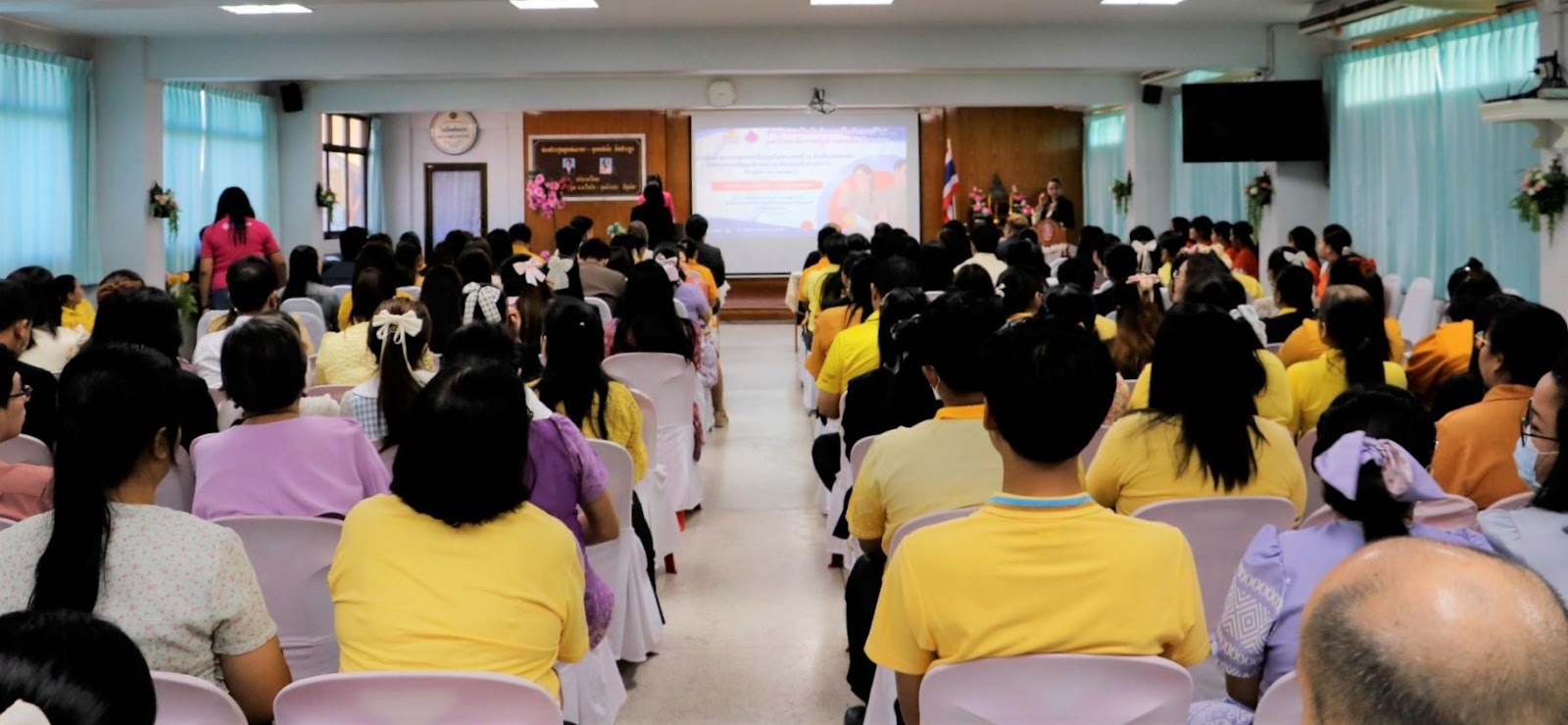
On 6 July 2024, Bansomdejchaopraya Rajabhat University’s International Affairs and ASEAN Network Office organized the “21st Century English Competency Development Program” at Wat Nang Sao School in Samut Sakhon Province, providing free professional development for teachers and the public. The “English for Careers” workshop aimed to enhance English language skills through self-paced online learning and hands-on teaching methods using technology and games. Led by a team of English language experts from the Faculty of Education, including Assistant Professors Dr. Chalermsup Karanjakwut, Dr. Wapee Kong-in, Dr. Kamonwan Charunsri, and Dr. Saisunee Oulis, alongside instructors and student assistants, the program covered pronunciation, grammar, writing, reading, listening, vocabulary, and children’s literature. The initiative enabled participants to apply diverse English teaching techniques to primary school classrooms, aligning with national strategies for 21st-century skills and exemplifying BSRU’s commitment to educational outreach beyond campus.
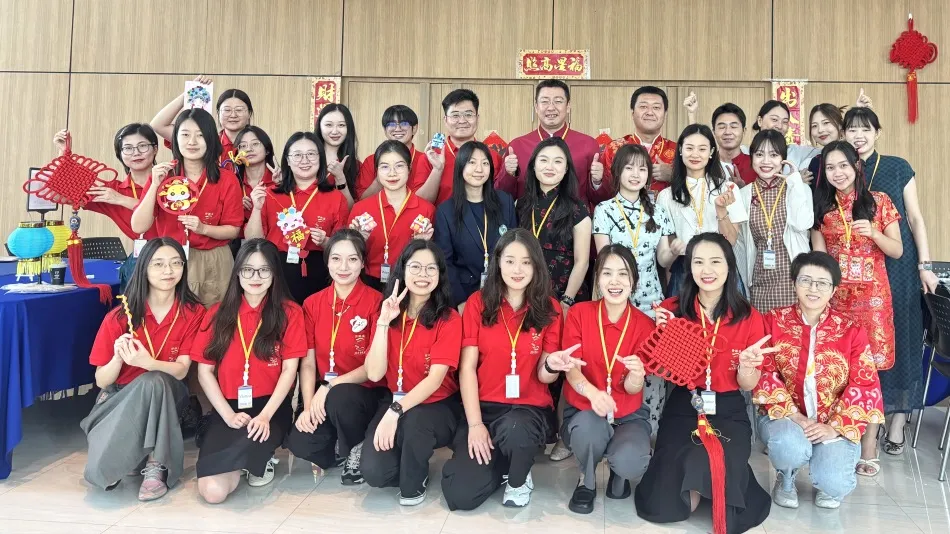
On January 24, 2025, the Confucius Institutes at Chulalongkorn University, the Maritime Silk Road Confucius Institute, and Muangsongdee Chaophaya Rajabhat University jointly hosted a grand Spring Festival cultural experience at Brighton College International School, welcoming the Year of the Snake with over 700 teachers and students participating. The campus was adorned with festive decorations, and lively dragon and lion dance performances set the celebratory tone. Attendees engaged in more than ten cultural activities, including clay terracotta warriors, Gobang, diabolo, paper cutting, lantern making, lacquer fans, Huadian painting, woodblock printing, and other hands-on experiences, fostering creativity and appreciation of Chinese traditions. Students of all ages explored classical and contemporary aspects of Chinese culture, from traditional arts to interactive workshops, sharing their creations and enjoying a joyful, immersive learning environment. The event highlighted the Confucius Institutes’ mission of building bridges through language and culture, promoting mutual understanding, and strengthening China-Thailand friendship, while promising more cultural activities in the future under the Confucius Institute/Classroom Development Alliance of Thailand.