
1.BSRU’s Commitment to Inclusivity: Advancing Equal Opportunities for Students with Disabilities
Bansomdejchaopraya Rajabhat University (BSRU) is strongly committed to advancing inclusivity for students with disabilities, in line with the objectives of Sustainable Development Goal 10: Reduced Inequalities. In Thailand, people with disabilities continue to face significant barriers, with fewer than 10% completing high school and only 6.2% securing employment. Acknowledging these challenges and the misconceptions that fuel discrimination, BSRU strives to provide an accessible and supportive learning environment that ensures equal opportunities and actively works to break down societal barriers.
Based on 2024 enrollment data, Bansomdejchaopraya Rajabhat University (BSRU) has 46 students with disabilities, representing 0.46% of its total student body of 9,791, one of the highest proportions in Thailand. This highlights the significance of sustained efforts to improve accessibility and support for learners with diverse needs. BSRU remains committed to fostering an academic and social environment where every student can succeed. To this end, the university provides customized support services, accessible infrastructure, and awareness initiatives that encourage understanding and inclusivity across the campus community.
 AAR Data
2.Accessible Facilities
In BSRU, we are deeply committed to fostering an inclusive environment that supports diversity and equal opportunities for all individuals, particularly those with disabilities. In alignment with SDG 10: Reduced Inequalities, BSRU has implemented a range of facilities and services designed to ensure accessibility and support for students with disabilities.
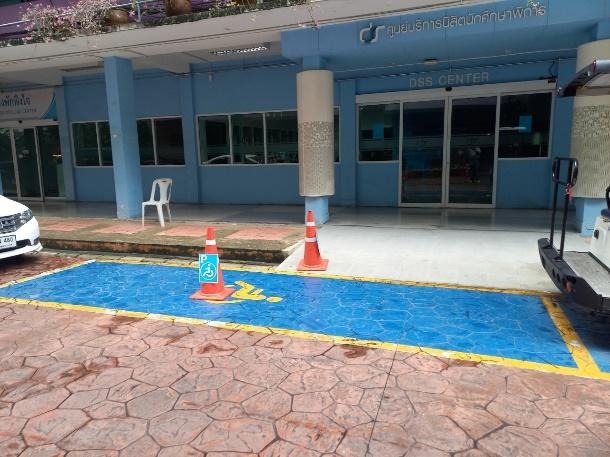
To enhance access, BSRU has designated parking spaces for disabled individuals across the university, with notable locations such as Building 6, which is conveniently situated near the Disability Support Service Centre (DSS). This ensures easy access to the university’s facilities.
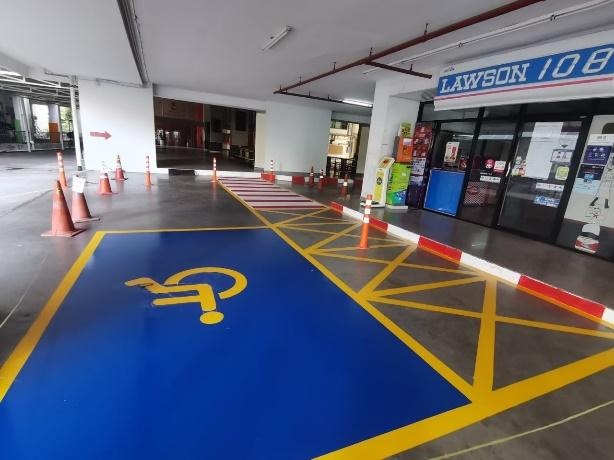
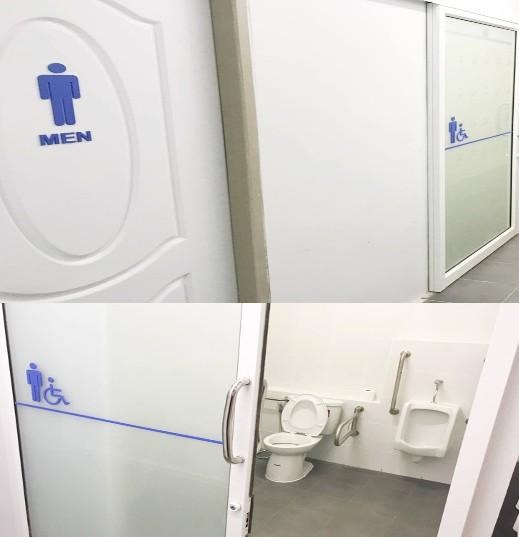
Additionally, the university places a strong emphasis on providing accessible toilets, which are strategically located throughout the campus. These facilities are designed to meet the specific needs of individuals with disabilities and feature spacious layouts, grab bars, and essential amenities for comfort and usability.
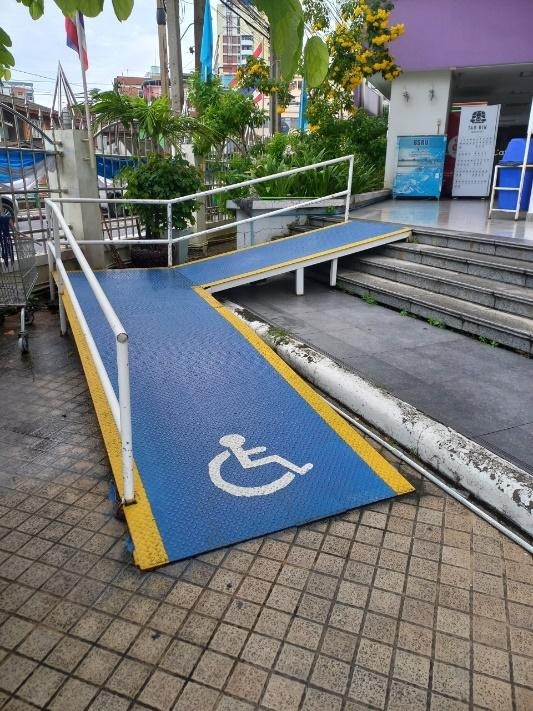
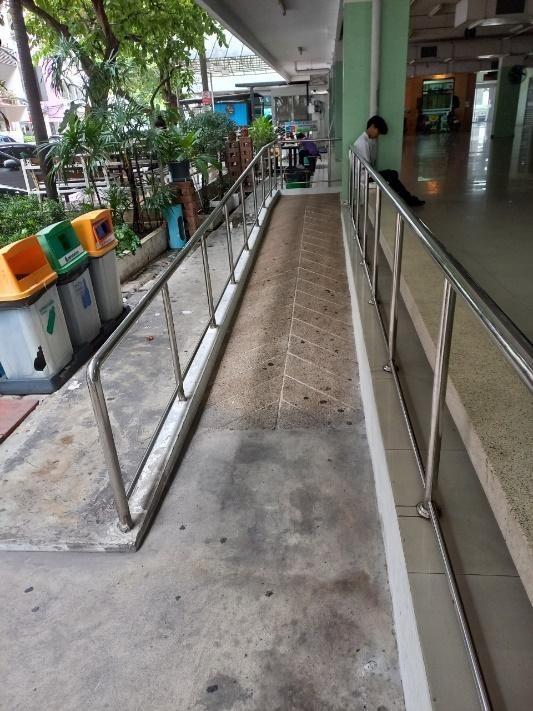
Furthermore, the architectural design of BSRU includes wheelchair ramps that comply with high accessibility standards. These ramps are thoughtfully placed to provide ease of movement across the campus and feature gradual slopes, adequate dimensions, and safety elements like handrails and non-slip surfaces. This thoughtful design benefits not only disabled individuals but also elderly participants in community training programs.
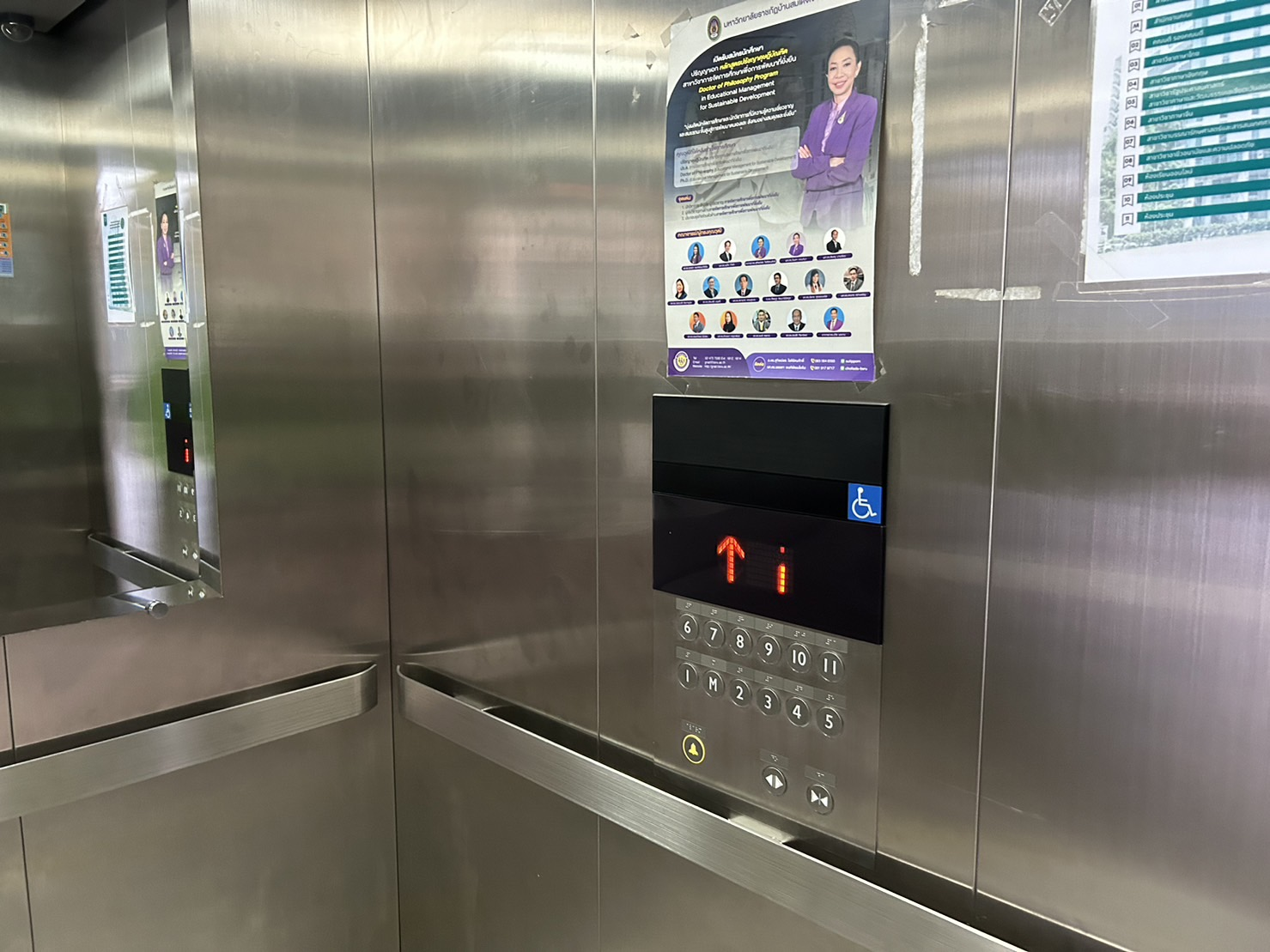
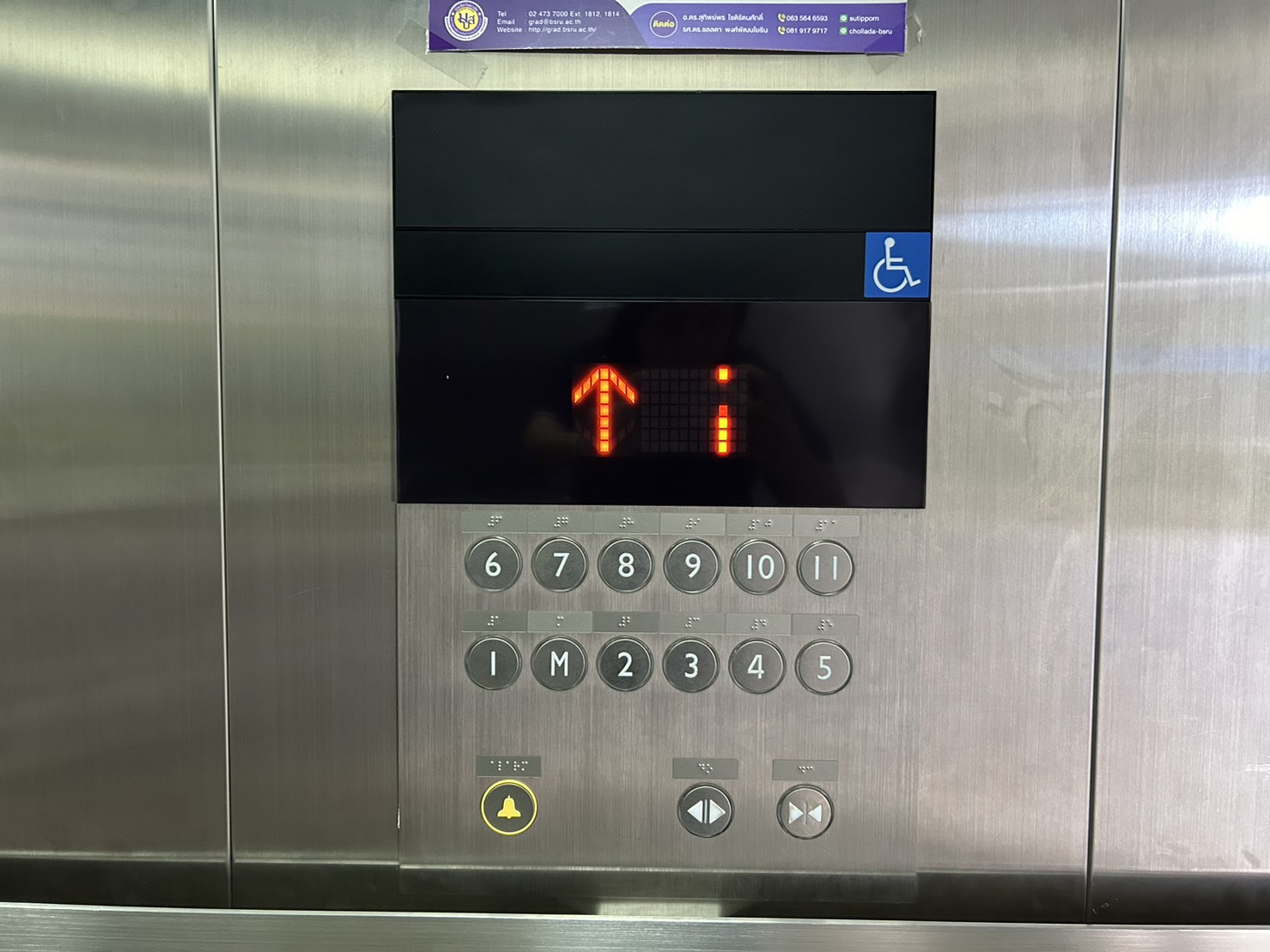
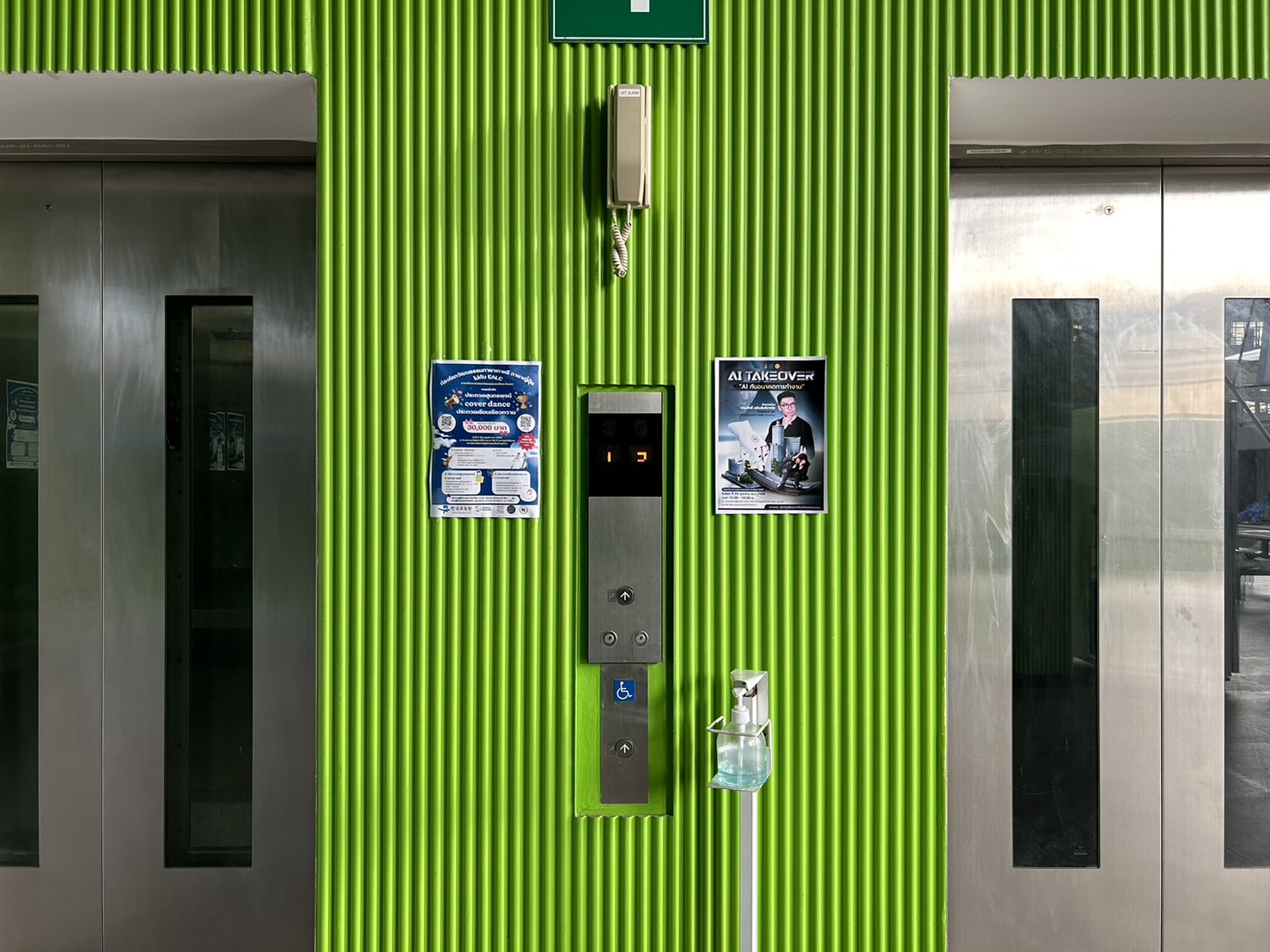
Elevators within the university are equipped with Braille, enabling individuals with visual impairments to navigate the campus independently. This inclusion facilitates the movement of visually impaired individuals by providing crucial information, such as floor numbers, in an accessible format. In addition to Braille, the elevators meet accessibility standards with ramps tailored to the needs of disabled users.
3.Disability Support Service Centre (DSS)
Central to BSRU’s commitment to inclusivity is the Disability Support Service Centre (DSS). The DSS plays a pivotal role in ensuring that students with disabilities receive the necessary support to thrive academically. The center is dedicated to empowering these individuals to reach their full academic potential, equivalent to their peers without disabilities.
Services offered by the DSS encompass academic support, educational counseling, and various forms of assistance in alignment with the Education Promotion for Persons with Disabilities Act of 2008. This support includes media production, Braille book creation, exam reading services, scholarship coordination, and collaboration with teachers.The DSS also provides essential assistive electronic devices and specialized software to students facing various disabilities. These resources, such as English reading programs (JAWS) and Thai language support along with equipment like Braille printers and voice recorders, play a crucial role in breaking down barriers and reducing inequalities in the academic environment. By offering a range of assistive technologies, the DSS empowers students to overcome challenges and fully participate in their education.
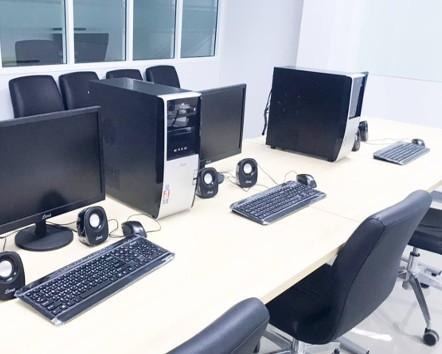
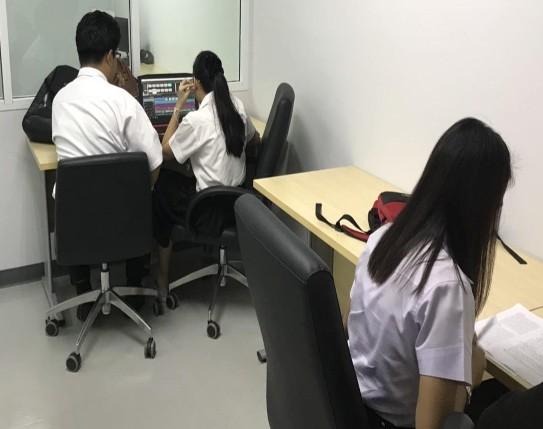
Additionally, the DSS coordinates with businesses to facilitate internships for disabled students and tracks the performance of disabled graduates. This support ensures a pathway to employment and personal growth, reinforcing the university’s commitment to creating an inclusive educational environment that promotes equality for individuals with disabilities.
4.Disability access scheme
Bansomdejchaopraya Rajabhat University (BSRU) has implemented a comprehensive Disability Access Scheme aimed at supporting students with disabilities throughout their academic journey. This initiative ensures that students have access to a wide range of resources, financial assistance, and mentoring opportunities to help them thrive in the university environment.
Under BSRU’s Disability Access Scheme, students with disabilities are exempted from paying fees, in compliance with the Ministry of Higher Education, Science, Research, and Innovation’s financial support policies. This exemption ensures that disabled students face no financial barriers in accessing higher education, aligning with national initiatives aimed at promoting educational equality and inclusivity for all. Additionally, BSRU allocates a quota for students with disabilities, with a total of 19 students currently benefiting from this scheme.
The university takes an active role in applying for financial support on behalf of these students to alleviate their financial burdens. In addition to this support, the university provides personalized mentoring to guide students through the process of applying for additional funding opportunities, helping them access the resources they need for their education.
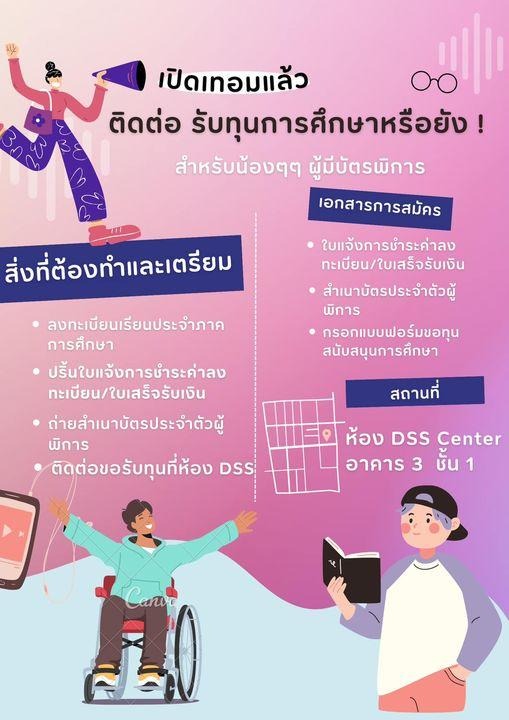
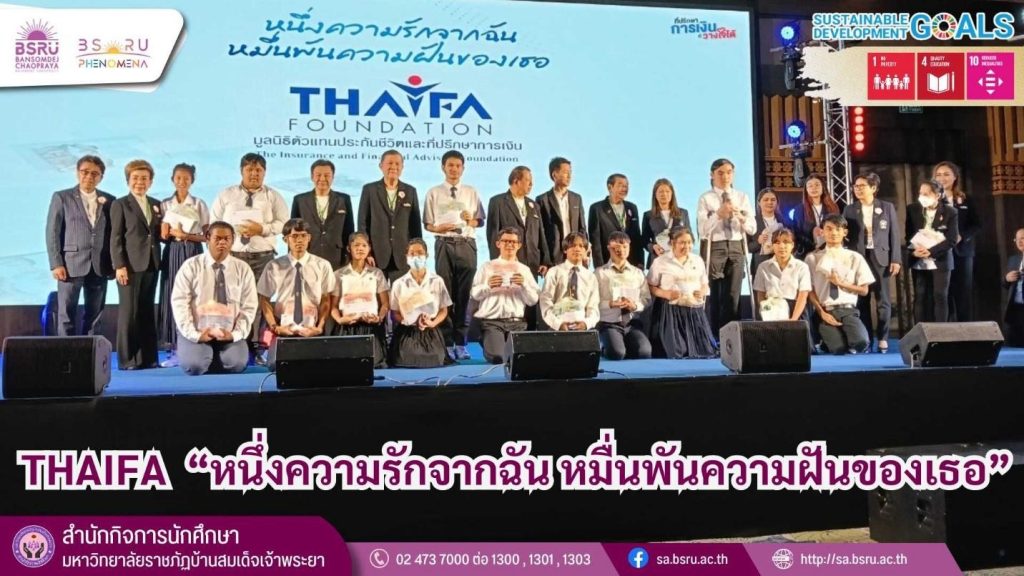
Moreover, the Thai Association Insurance and Financial Advisors Foundation (THAIFA) contributes to the scheme by offering scholarships. In 2024, they awarded scholarships to 15 disabled students, totaling 80,000 baht, further strengthening the financial support network and educational opportunities for students with disabilities.
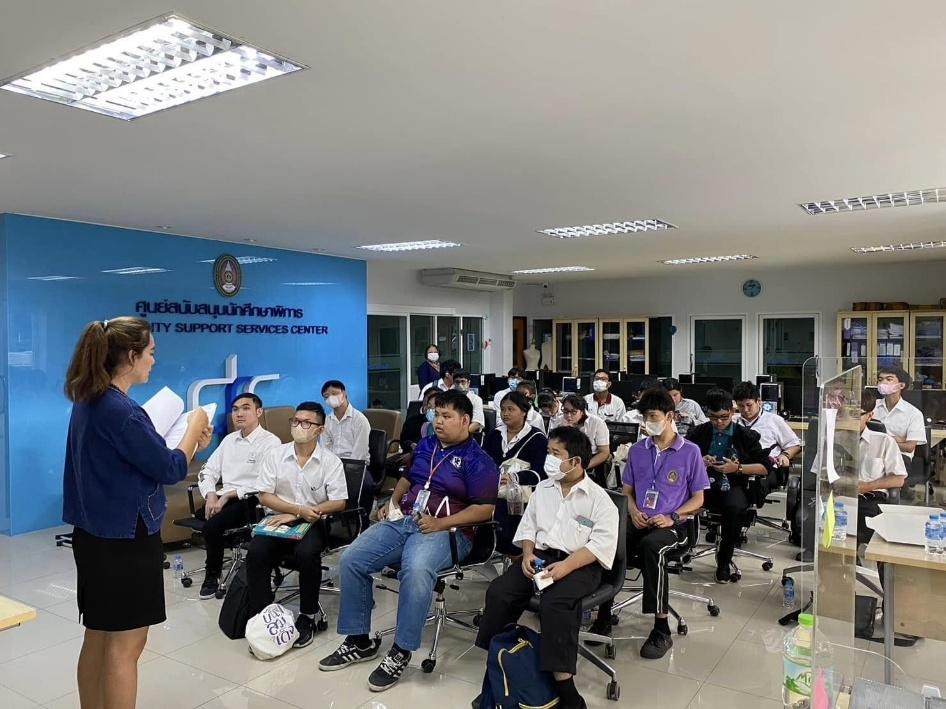
BSRU continues to prioritize inclusive support for students with disabilities as part of its commitment to equity in higher education. In 2024, the university’s Disability Support Center, under the Office of Student Affairs, organized an orientation session to explain the criteria for applying for educational financial assistance available to students with disabilities through the Ministry of Higher Education, Science, Research, and Innovation. Led by Ms. Phusanisa Netsakorn, staff member of the Center, the session provided essential guidance to ensure that students are fully informed of their rights and opportunities. By offering targeted support and clear access to resources, BSRU reaffirms its role in reducing barriers and empowering students with disabilities to thrive academically and socially.
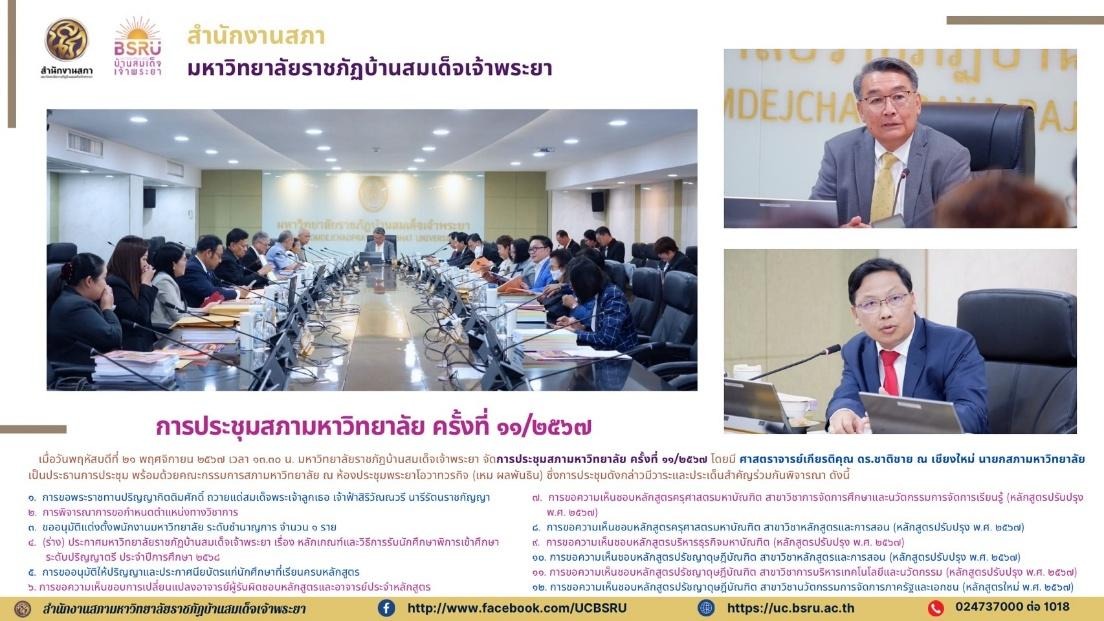
During the University Council Meeting on November 21, 2024, BSRU reviewed key measures to strengthen accessibility and inclusion for students with disabilities. Among the agenda items was a draft announcement outlining the criteria and procedures for admitting disabled students to undergraduate programs for the 2025 academic year. This initiative reflects BSRU’s ongoing commitment to promoting educational equity and ensuring equal opportunities for all learners. Additionally, BSRU has issued a special announcement regarding the opportunity for individuals with disabilities or their caregivers to apply for the right to operate stalls or provide services on campus. This initiative not only supports the economic empowerment of disabled individuals but also promotes inclusivity in university operations.
These efforts are a testament to BSRU’s commitment to reducing inequalities and expanding opportunities, particularly through its accessibility scheme, which strives to integrate students with disabilities into higher education and beyond.