In 2023, Bansomdejchaopraya Rajabhat University (BSRU) strengthened its commitment to sustainable development by actively participating in several projects that involve direct collaboration with regional NGOs and government bodies to support SDG policy development. Through these initiatives, BSRU contributed to national and regional policy formulation by engaging in problem identification, policy strategy development, and adaptive management. By working closely with various governmental and non-governmental partners, the university has been instrumental in providing data, modeling potential outcomes, monitoring progress, and enabling interventions aimed at achieving sustainable community and environmental outcomes.
1.Rajabhat Bansomdejchaopraya University x Suphanburi Local Herbal Project
The Rajabhat Bansomdejchaopraya University x Suphanburi Local Herbal Project demonstrates a collaborative effort with government authorities to address regional sustainability and health policies under the SDGs. This project is part of a strategic initiative to support SDG policy development and aligns with the university’s mission to drive sustainable growth through regional partnerships.
Key Objectives and Policy Contributions
-
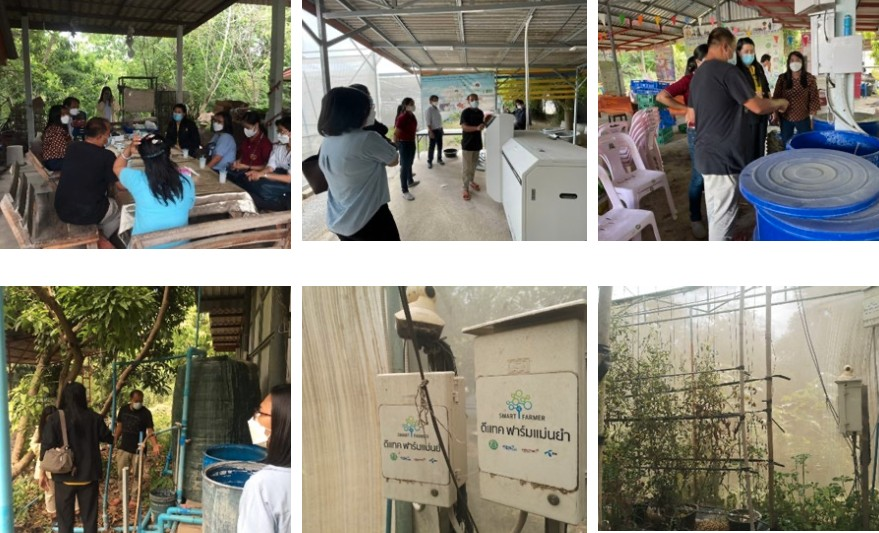
Environmental Data Collection and Herb Cultivation Promotion: This project conducts surveys and collects environmental data from community areas to understand and support local herb cultivation. Findings from this data will be shared with regional stakeholders, contributing to a knowledge base that can inform sustainable agriculture policies and strategies.
-
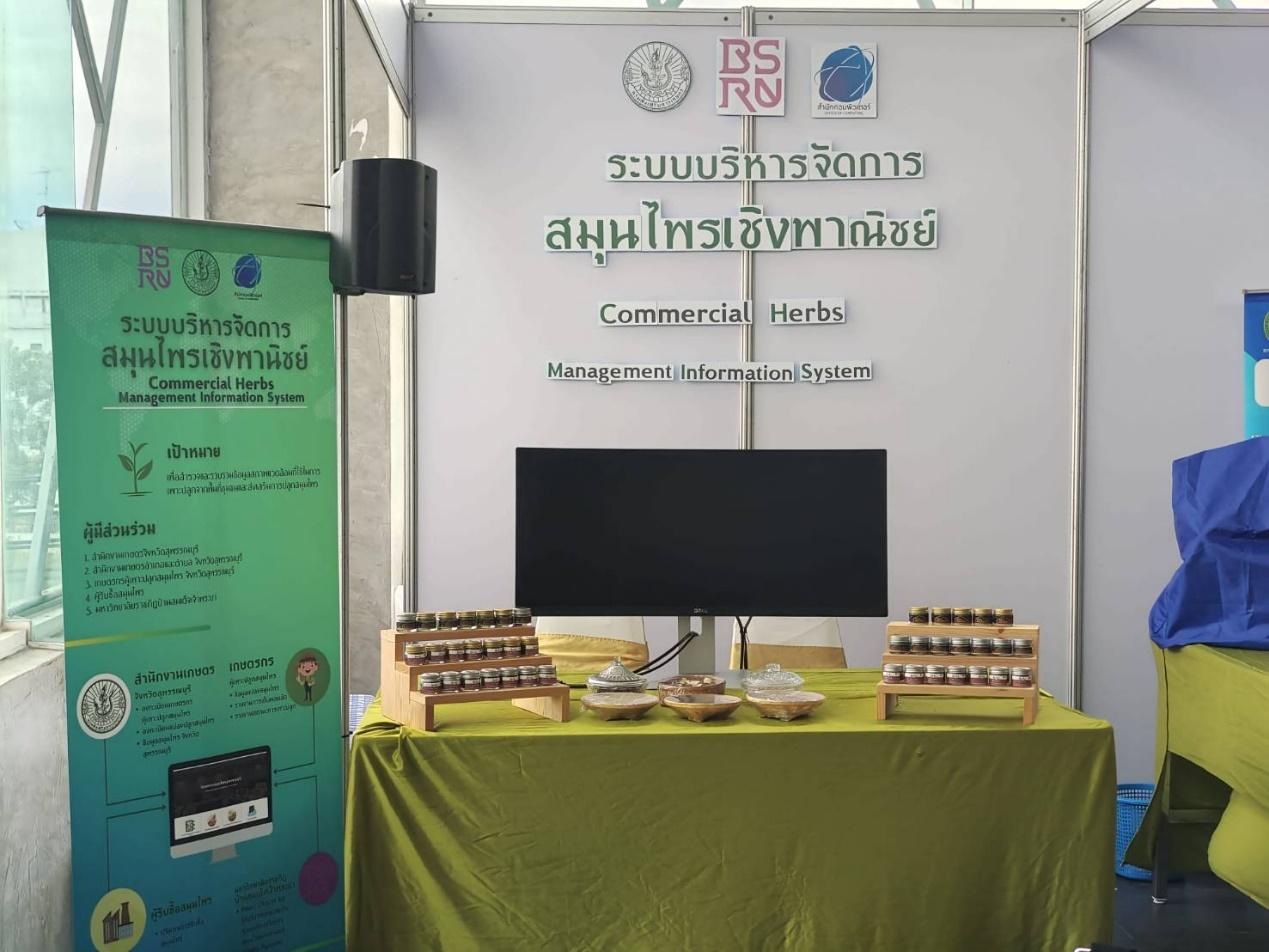
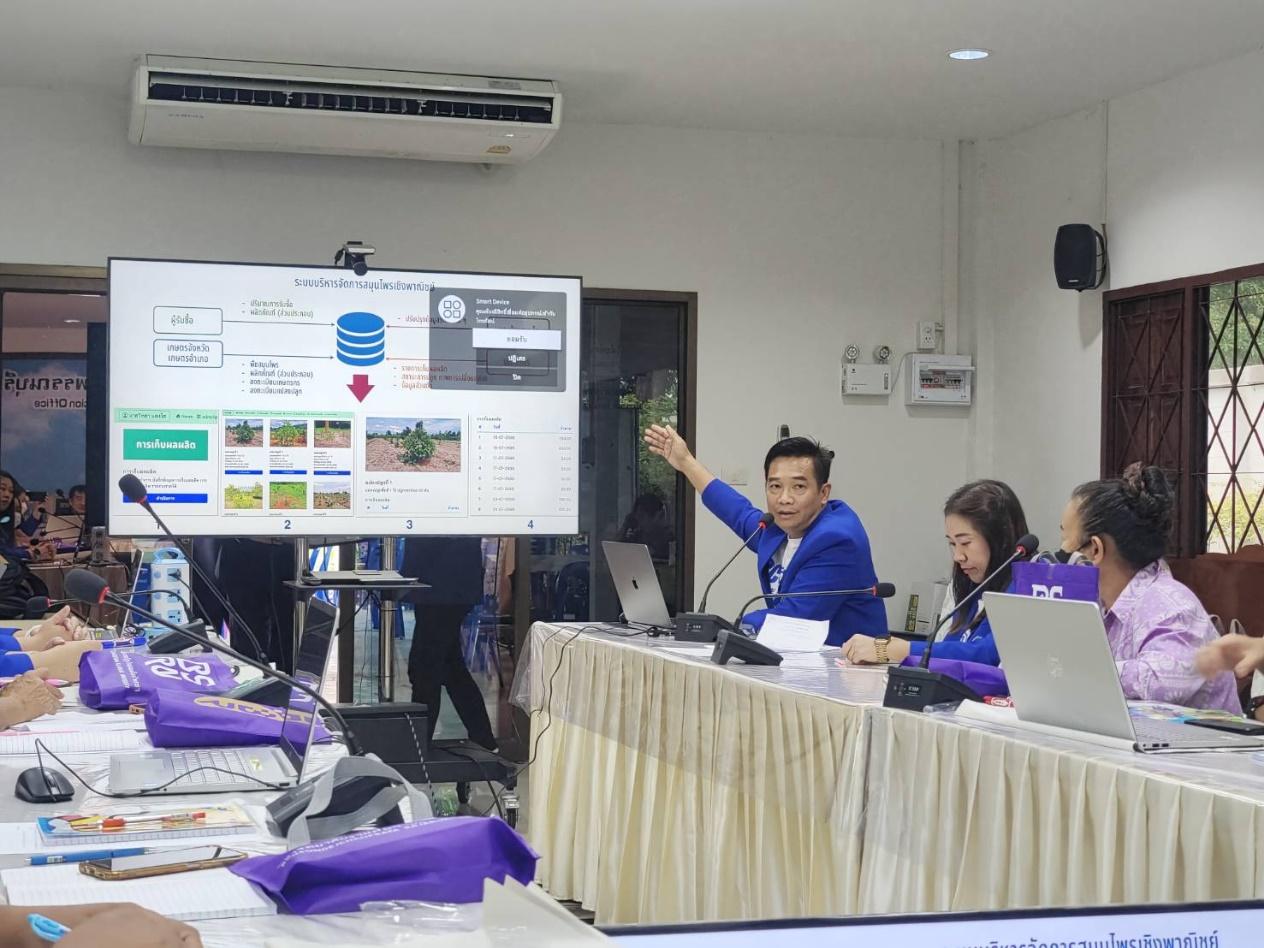
Creation of a Digital Database and QR Code for Local Herbs: The project includes the creation of a digital database and website with a QR Code system, which will help in tracking, monitoring, and promoting local herb varieties. This system aims to facilitate data sharing with the Department of Thai Traditional and Alternative Medicine to support policy-making processes around herbal resource management.
-
Development of Smart Agriculture Prototype Plots: By establishing prototype plots equipped with smart agricultural technology, the project provides a model for sustainable herb cultivation that could influence regional agricultural policies. This effort is a step towards shaping policies that encourage sustainable agricultural practices and technological innovation.
-
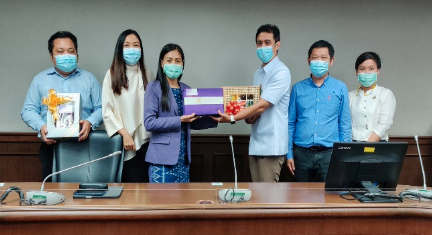
Herb Processing and FDA Standards: In collaboration with Dr. Amporn Benjapolpitak, Director-General of the Department of Thai Traditional and Alternative Medicine, the project team is working on aligning herbal production processes with FDA standards. This direct engagement not only promotes compliance with health and safety standards but also contributes to the regulatory framework for herbal production, directly impacting policy development in this sector.
-
Digital Marketing and New Distribution Channels: By promoting digital marketing and online distribution channels, the project supports the development of local economies and creates new access points for community-based businesses. The insights gathered from this initiative may be reported to regional policymakers to guide the creation of inclusive economic policies that support local and small-scale producers in the new digital economy.
Alignment with SDG Policy Development
The project’s collaborative approach with the Department of Thai Traditional and Alternative Medicine exemplifies direct input into policy development by sharing data, offering sustainable cultivation models, and promoting FDA-compliant production. Through ongoing involvement with government bodies, the project contributes insights and practical models for adaptive management, supporting Thailand’s efforts to integrate sustainability into regional and national policy frameworks.
2.Cultural Capital Development and Promotion in Kadichin District
On Tuesday, July 11, 2023, the Office of Arts and Culture held a meeting for the project committee of the “Cultural Capital Development and Promotion of Three Communities, Three Religions in the Kadichin District Towards a Creative Economy.” This initiative operates within the framework of cultural capital mobilization for regional development, supported by the Rajabhat University Network under the Thatchaphum Knowledge Institute for Area Development for fiscal year 2023. The meeting aimed to create an open platform for stakeholders to contribute ideas for the Kadichin Cultural Festival, part of the larger cultural capital promotion project.
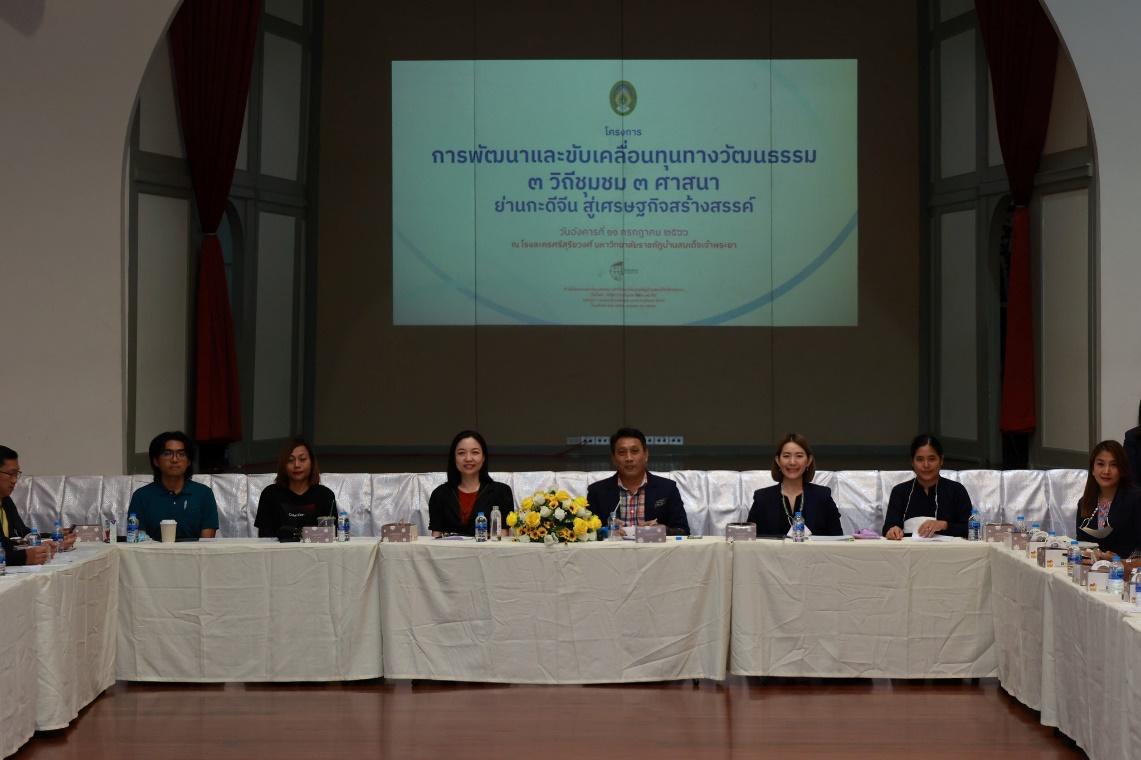
Key stakeholders in attendance included representatives from regional government bodies, private sector organizations, and civil society groups, such as the Thonburi District Office, Thonburi Police Station, Tourism Authority of Thailand, Thai Beverage Public Company Limited, ICONSIAM Company Limited, the Kadichin-Khlong San Community Foundation, Lek-Prapai Viriyaphant Foundation, and local community leaders. These stakeholders engaged in discussions on collaborative strategies for sustainable area development to enhance local tourism and preserve the district’s unique cultural identity. The emphasis was placed on creatively managing community resources, ensuring a sustainable foundation that respects the district’s identity.
Alignment with SDG Policy Development
The Kadichin Cultural Capital Development project exemplifies direct input into regional SDG policy through its collaborative approach involving government, private sector, and community stakeholders. By organizing discussions with entities like the Thonburi District Office, local police, the Tourism Authority of Thailand, and community foundations, the project fosters shared strategies for sustainable tourism that leverage cultural heritage. This ongoing partnership helps shape adaptive management practices and sustainable development policies, advancing the integration of cultural and creative economy initiatives into regional planning frameworks.
3.Advancing Sustainable Development through Social Return on Investment (SROI) Policy Integration
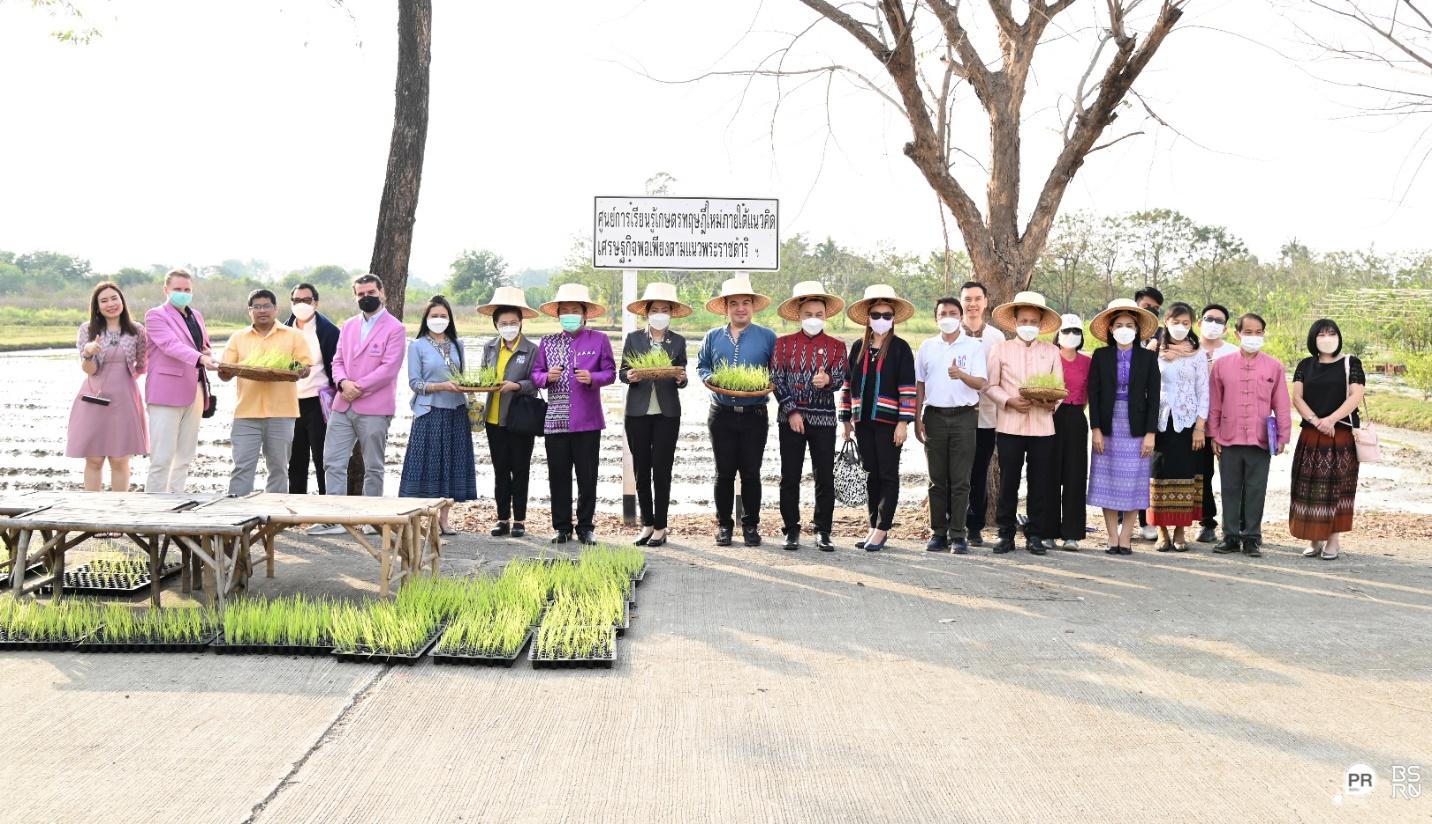
In 2023, Bansomdejchaopraya Rajabhat University (BSRU) engaged in a collaborative project aimed at fostering sustainable development in the local community, with direct involvement from regional government officials and stakeholders. The project focused on analyzing the social return on investment (SROI) of university-led initiatives aligned with SDG policies. It included active participation from local government leaders, such as the governor of Suphanburi, and other key figures in shaping strategies for community development. This collaboration involved identifying local challenges, developing policies, and modeling potential future outcomes with and without specific interventions. The project also incorporated mechanisms for monitoring the success of these initiatives, ensuring they contributed to the broader goals of sustainable development. Regular reporting and adaptive management strategies were employed to assess the effectiveness of these interventions, enabling continuous improvements and adjustments. Through these efforts, the project demonstrated BSRU’s significant role in supporting SDG policy development at both regional and local levels, with a focus on sustainable, inclusive growth.
Alignment with SDG Policy Development
The SROI project at BSRU directly contributes to SDG policy development by collaborating with local government officials and community leaders to identify regional challenges and develop strategies for sustainable growth. Through data-sharing, modeling future outcomes, and providing insights into community-driven initiatives, the project offers practical solutions for adaptive management. By aligning with national and regional sustainability goals, it supports ongoing efforts to integrate sustainability into policy frameworks, fostering long-term social and economic benefits.
4.Collaborative Initiative for a Smoke-Free Society: Advancing National Public Health Policy
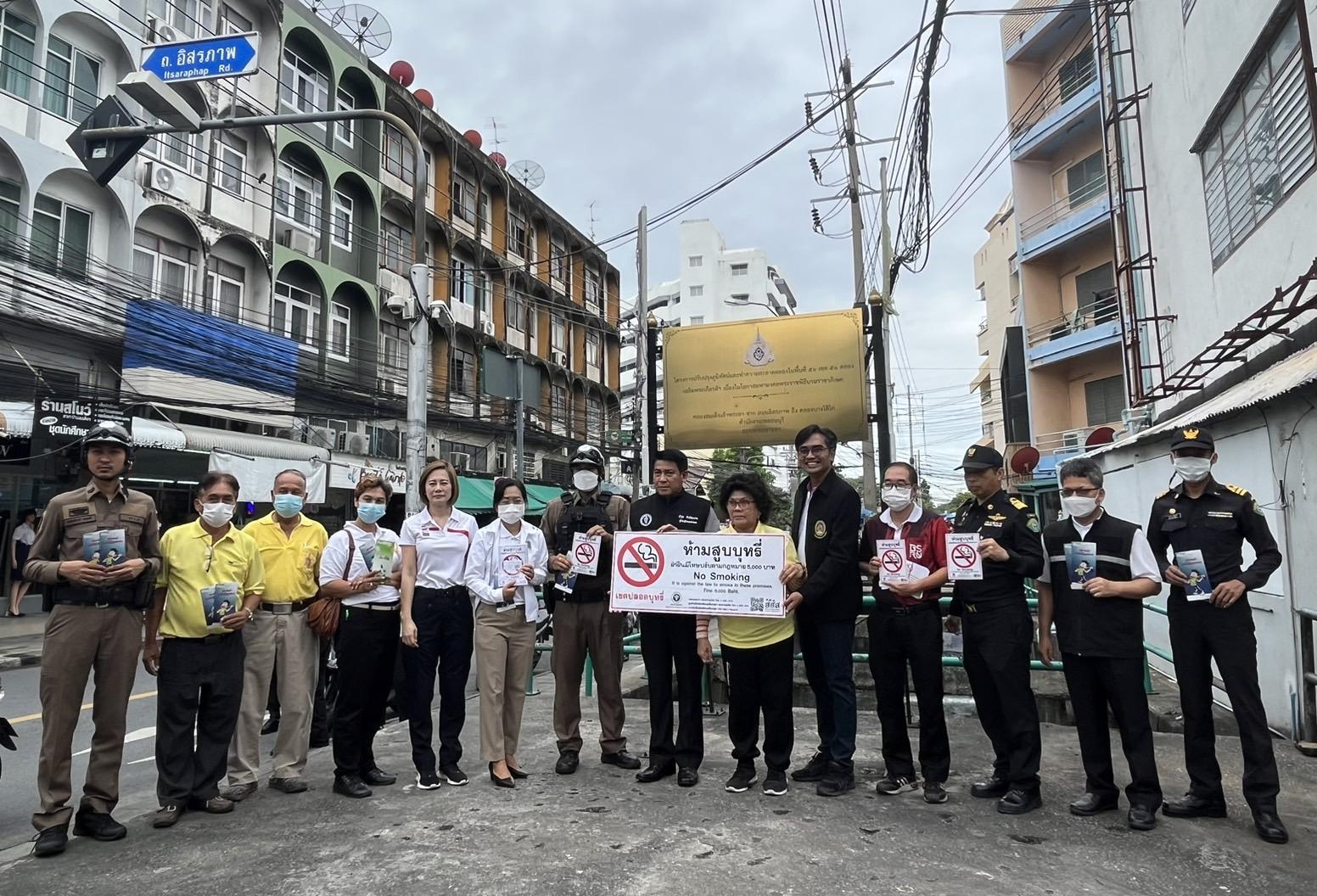
Bansomdejchaopraya Rajabhat University (BSRU) actively supports national public health goals through collaborative initiatives aimed at creating a smoke-free society. In partnership with the Thai Health Professional Alliance Against Tobacco and leaders from public health organizations across 38 Rajabhat Universities, BSRU plays a key role in policy development by addressing challenges in tobacco use and promoting sustainable health practices. This project includes the integration of anti-smoking content and exams in undergraduate health programs, conducting tobacco consumption surveys among students, providing support systems for those seeking to quit, establishing smoke-free campus zones, and enforcing the Tobacco Products Control Act by prohibiting funding from tobacco-related businesses. This nationwide initiative promotes a healthy, smoke-free society by integrating anti-smoking campaigns and education into public health curricula and outreach programs. Through these comprehensive measures, BSRU and its partners model future health outcomes and enable adaptive management, demonstrating a strong alignment with national health policies and sustainable development goals.
Alignment with SDG Policy Development
BSRU’s partnership in the national Declaration of Cooperation for a Smoke-Free Thai Society exemplifies its active role in shaping public health policy. By collaborating with 38 Rajabhat Universities and key health councils, the project provides direct input into policy measures, including developing smoke-free campus guidelines, offering cessation support for students, and conducting tobacco use surveys. This initiative contributes critical data and adaptive management strategies that bolster Thailand’s commitment to creating a healthier, smoke-free society and aligning public health policies with sustainable development goals.